Fami had recently released a preview of the 2025 Famitonic White Paper, which compiled data on the Japanese and global game industry from the annual publication of the ASCII Institute of Comprehensive Studies in Capekawa. According to the latest data, the size of the Japanese PC game player group is now well below the size of a decade ago, despite a small increase in the last year.
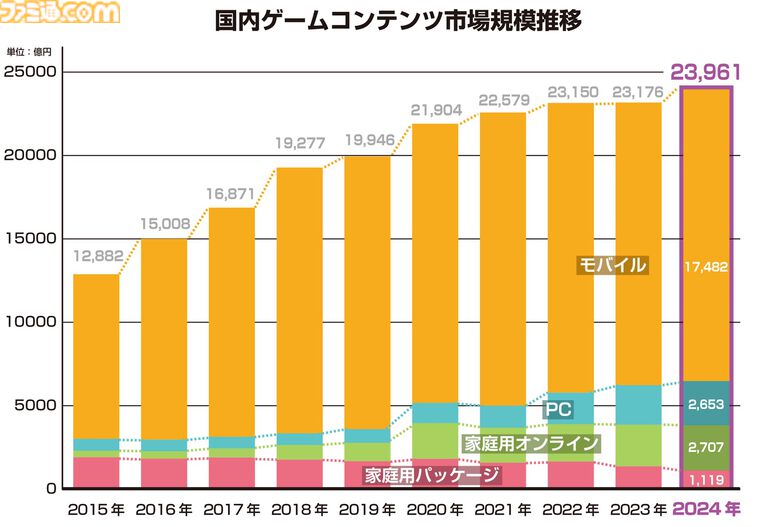
According to the “Famitonic White Paper of 2025”, the Japanese game market grew by 3.4 per cent between 2023 and 2024, with an estimated value of 2.396 trillion yen (approximately RMB 1170 billion). The Japanese player group (5-59-year-old game host, mobile and PC player) is estimated at 54.7 million, down slightly from the 55.5 million the previous year.
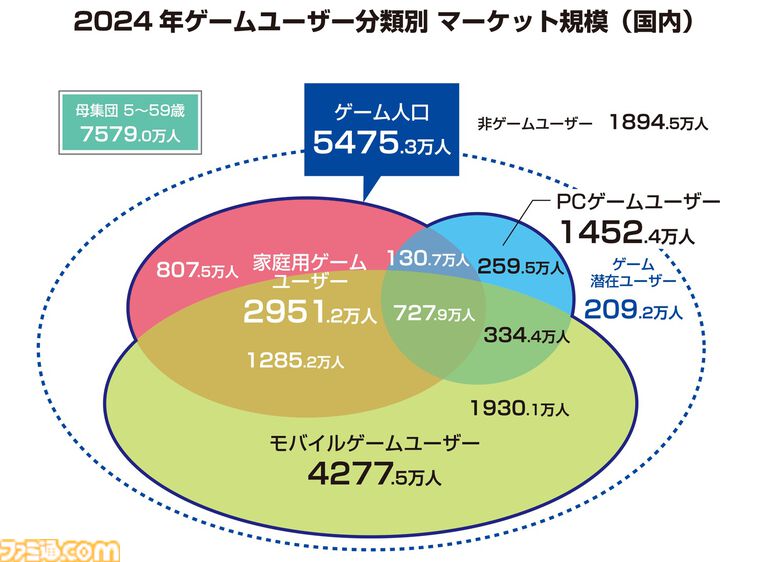
Data disaggregated by platform show that the vast majority of Japanese playhouses are mobile end-users (approximately 4277 million), followed by host users (29.51 million) and finally PC users (145.2 million), many of which are three-way players.
Although there were 1.45 million active PC players in 2024, a slight increase from 14.45 million in the previous year, it remains well below the 2015 level. According to annual data from the “Famitonic White Paper 2025”, Japanese PC players have decreased by 3 million (1.749 million to 1.452 million) over the past decade. The number of host players increased from 2.61 million to 2.95 million. The mobile end, with 1.41 million mobile players in 2015, has now grown to 42.77 million.
Although the figures fluctuated over time, no year since 2015 has seen the number of PC players again exceed 17.49 million (the 2014 figure is even higher, at 2.037 million). This long-term transformation is not caused by a single factor. Despite the rise of Steam, the visibility of the PC game in Japan has undoubtedly increased. However, as home to Nintendo and Sony, the player market has long been dominated by the host. And other factors, such as the prevalence of mobile games, may also influence players ‘ preferences.
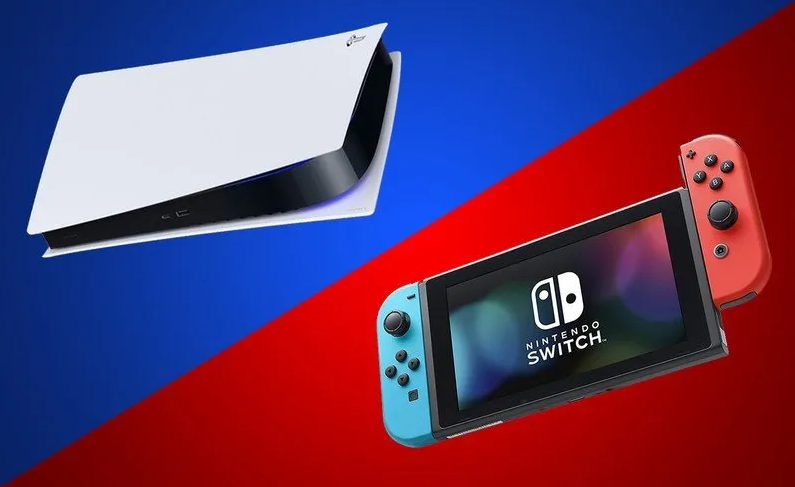
Hardware prices may also be one of these factors, although their growth trend does not fully match the downward trend in player data. According to the Daily News in June 2025, the price of the Japanese brand PC mainframe has increased by 40 per cent over the past six years, while the price of some PC components has more than tripled over the same period.
In addition, according to Read and Sell News, the Japan Electronic Information Technology Industry Association announced in January 2024 that during the year 2023, the number of domestic PCs delivered was 6.667,000, a 2.9 per cent decrease from the previous year. This is the third consecutive year of decline in PC sales and the lowest since 2007. It is noteworthy that there was a surge in PC sales in 2024 (8.3 million), but the Japan Electronic Information Technology Industry Association considers this to be due to the early replacement of computers by businesses and government agencies as a result of Windows 10 ‘ s planned end of this year ‘ s support.
On the other hand, the organization predicts that as the components become more sophisticated, PC prices are unlikely to decline, which means that the threshold for Japanese players to purchase PCs will continue to rise in comparison to modern hosts.