According to the latest Nigerian Game and Electricity Report released by Maliyo Gomes, Egypt ranks first in Africa with $368 million in game revenues, with more than 20 million players.
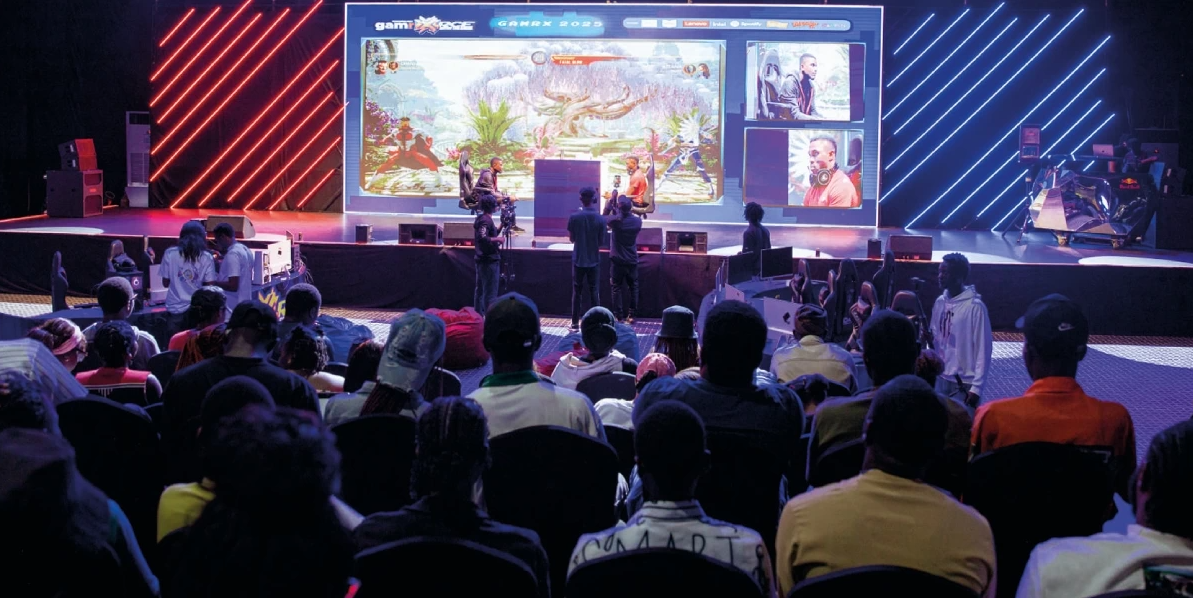
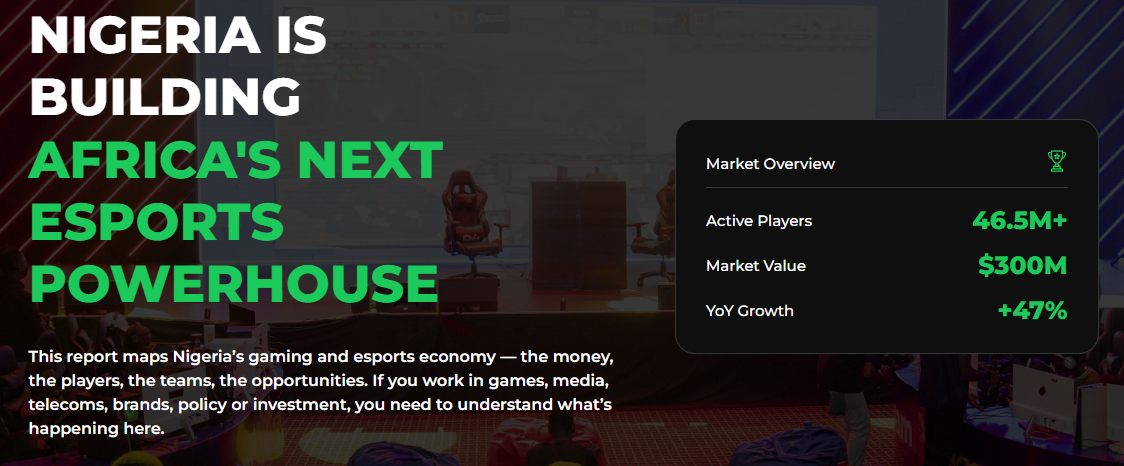
The report shows that South Africa follows closely with 26.5 million players, generating $278 million in income. The play industry in Nigeria has the largest number of players in Africa — 46.5 million (13.3 per cent of the 349 million players in Africa) with an annual income of about $250 million to $300 million. In addition, about 90 per cent of Nigeria ‘ s 46.5 million players play through mobile devices, making mobile phones a country-led game platform. Kenya and Côte d ‘ Ivoire are rapidly emerging as emerging game markets, with game revenues of $46 million and $31.9 million, respectively. The total revenue of the African continent ‘ s game industry currently stands at $2.1 billion. In the field of electricity competition, African games generated about $40 million and are expected to exceed $60 million by 2025. South Africa ranked first in the competition with $7-10 million in revenues and 3 million in viewers, and second in Egypt with $5-7 million in revenues and 6 million in viewers. Although Nigeria has a population of 235 million, it has the third largest income from electricity competition ($3-$6 million) and audience size (1-3 million). Kenya and Côte d ‘ Ivoire earned less than $2 million and $600,000, respectively, and the audience did not reach 1.5 million.
According to Hugo Obi, founder of Maliyo Gomes: “The roots of today’s Nigerian electricity competition are largely the result of the efforts of a few determined individuals and businesses. These pioneers have overcome structural, institutional and social challenges and laid the foundation for Nigeria’s electricity competition.” He added: “Our desire for games, connections and creation is as relevant to the essence of humanity as the need for shelter. Today, these needs are increasingly being met through digital space — the handle or mobile phone has become a gateway to competition, collaboration and community.”